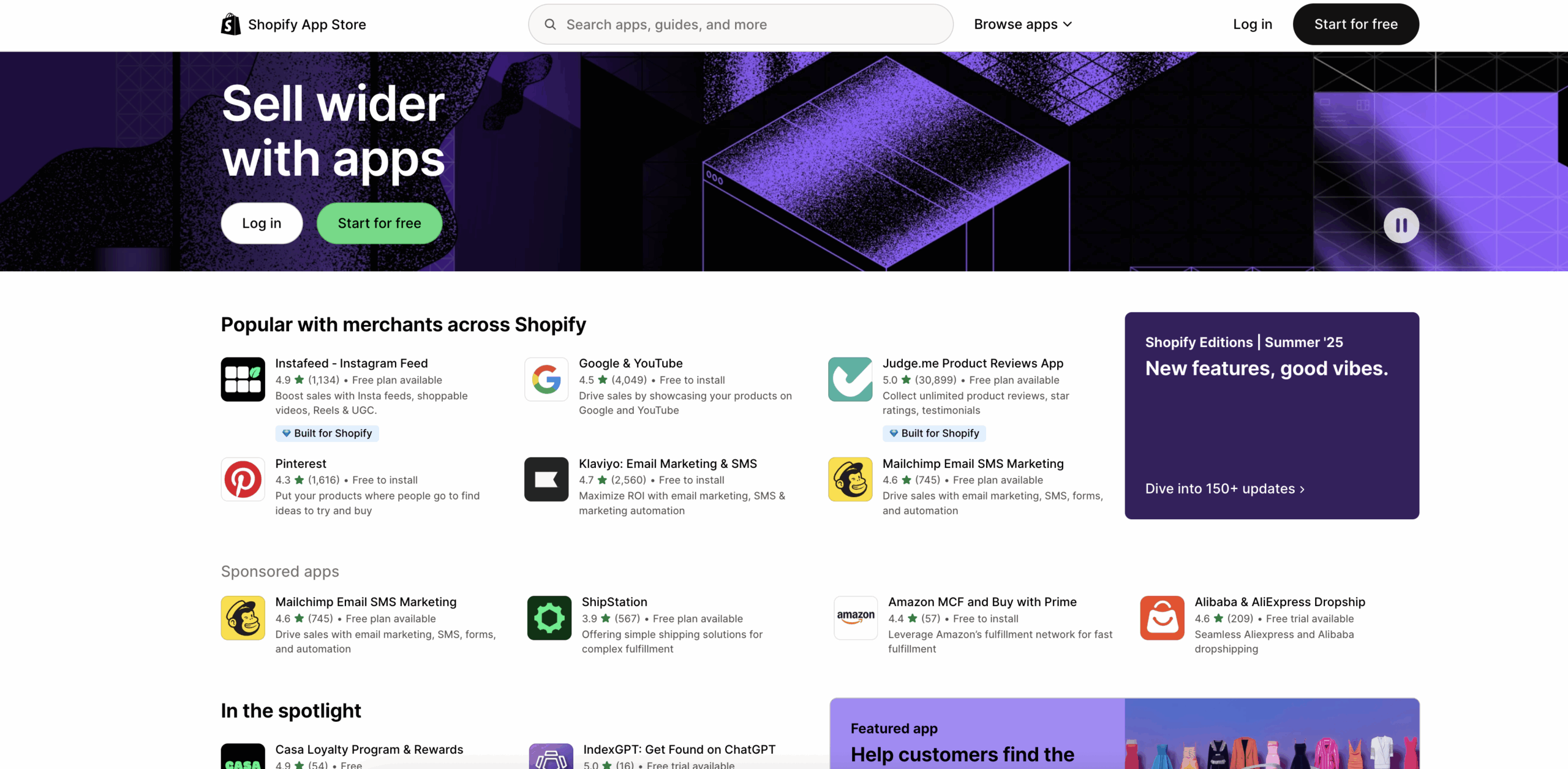
Here’s the truth most eCommerce founders don’t want to admit: you can’t buy loyalty. You can buy traffic, attention, and even repeat purchases, but genuine brand loyalty that drives customer retention can’t be built with discounts and points.
Still, a lot of brands try. They launch loyalty apps, referral programs, or VIP clubs to drive long-term retention. And while those tools can help, they’re not what drives loyalty. What makes someone choose you, over and over again, is how you make them feel.
If you want to grow a brand people actually love, not just buy from, it’s time to look beyond traditional loyalty programs. Let’s talk about what really creates brand loyalty and what practical strategies you can use to create it.
1. Build a Brand Story People Care About
Customers don’t fall in love with brands that talk about themselves. They fall in love with brands that tell stories that reflect who they are. Storytelling is the foundation of loyalty because it transforms your products into something meaningful.
Instead of leading with what you sell, focus on how your brand will impact your customer. Maybe your mission is to make sustainable living simpler or support fair trade practices. When customers understand your purpose and align with your values, they begin to root for your success.
One brand that does this brilliantly is Patagonia. Their story isn’t just about clothing; it’s about environmental activism. They’ve made their customers the heroes of that mission, giving them a reason to stay loyal for life. This is even more true with their repair and trade-in programs, which help customers extend the life of their products.
Patagonia not only strives for customer satisfaction but also encourages customers to join them in protecting the planet and its people.
A person who purchases from Patagonia is not only purchasing a sustainable, quality product, they’re also supporting a movement.
2. Create Connection Through Education
One of the most overlooked loyalty strategies is teaching your customers something valuable. Educational content builds trust by positioning you as a guide, not a salesperson. It also gives your audience a reason to return.
For example, a sustainable skincare brand could share blog posts on ingredient transparency, or a pet company could publish guides on eco-friendly pet care. When your content helps people solve real problems, you become part of their routine, and that’s loyalty money can’t buy.
Education isn’t just a marketing tactic. It’s how you prove your brand actually cares about your customers. Helpful content creates long-term credibility and authority, which compounds into consistent retention.
I go into this a little more in my Loyalty App Pros and Cons blog post. In it, I discuss using content instead of point systems to drive brand loyalty.
3. Turn Customers Into Co-Creators
One of the best ways to build loyalty is to give your customers a voice. Invite them into your process. Ask for feedback on new products, packaging, or campaigns. When people feel they’re contributing, they feel ownership, which helps build loyalty.
Asking for reviews or collecting User-Generated Content (UGC) are some of the simplest ways to start.
Encourage customers to share photos or videos of your products in use, then feature that content on your site or social media. Not only is it authentic, but it also shows your audience that you value their experience.
Even small gestures go a long way. Reply to customer posts. Share reviews publicly. Create polls to involve them in decisions. Those small moments of inclusion are what transform casual customers into brand advocates.
4. Focus on Service, Not Software
Here’s a radical thought: the best loyalty strategy starts with great customer service. When customer issues are resolved quickly, communication feels human, and when your team goes the extra mile to resolve an issue, customers remember it.
Think about the last time you received incredible service. You probably told someone about it. That’s the kind of marketing no app can replicate.
For sustainable brands, this means treating every interaction like a relationship, not a transaction. That could mean personalized thank-you notes, proactive shipping updates, or checking in with repeat customers. Small touches, done consistently, create lasting loyalty.
If you’re struggling to keep up as your business grows, don’t be afraid to use tools that support great service. Chatbots and automation can help, but they should never replace the human touch.
5. Build a Community, Not Just a Customer Base
Brand loyalty should never be thought of as transactional; it’s relational. People don’t just want to buy from you; they want to belong and connect with brands that share their values.
Start small. Create a private Instagram DM group, host a monthly virtual meeting, or launch a private email series to connect more deeply with your customers and community. Give them a place to interact with each other, not just with your brand.
When people feel seen and connected, they become loyal by choice.
Community also fuels word-of-mouth marketing. When people feel part of something, they naturally invite others in. That’s organic growth at its best (and cheap!).
6. Reward Loyalty in Unexpected Ways
Instead of a predictable point system, reward customers through meaningful gestures. Surprise them with early access, exclusive content, or a personalized thank-you. Sometimes the most powerful rewards aren’t monetary at all. Acknowledging and appreciating customers can be so much more impactful.
For example, sending a handwritten note or highlighting a long-term customer on your social channels costs little but creates lasting impact. Those are the details that make your brand feel human.
Rewarding people for their loyalty doesn’t have to mean discounts (and reducing your profit margins). It’s about showing genuine appreciation in ways that make customers feel valued, not managed.
Final Thoughts
Ok, let me be clear. There’s nothing wrong with loyalty apps or referral programs. They can be great tools, but they need to be built on top of real connection. Loyalty doesn’t just happen from simply downloading a loyalty app and hoping for the best.
When your customers feel heard, supported, and inspired by your brand, they’ll stick around. Not because they’re collecting points (even though that’s a perk), but because they believe in what you stand for.
So before you put in a ton of hours to build a loyalty program, focus on building trust instead. Tell your story. Serve your customers. Make them part of something meaningful. That’s the loyalty program that never expires.
Interested in reading about where I think customer relationships are headed next? Check out my blog on The Future of Brand Loyalty where I discuss what’s next in sustainable eCommerce and community-driven growth.
Hi! If we haven’t already met, I’m Laura! Consultant, mentor and author of this little blog. I help small to mid-sized sustainable merchants build eco-friendly stores and ethical stories their conscious customers deserve. If you liked this post and want to learn more, here are a few ways you can connect with me:
- Join my email list: For a bi-weekly dose of sustainable eCommerce insights, tips for ethical brands, and the occasional behind-the-scenes look at how I help eco-conscious merchants like you succeed.
- Explore my services: Let’s work together to bring your green vision to life and build an online presence that stands out from the conventional crowd.
- Dive into my blog: Find more posts like this one, covering everything from eco-conscious customer personas to ethical email marketing and beyond.
If you have any questions about sustainable eCommerce or just want to say hi, feel free to send me an email or connect with me on Instagram. I’d love to hear from you! Until next time.
Cheers,
Laura